We listen to both partners and identify the pattern driving your problems, not just the latest argument.
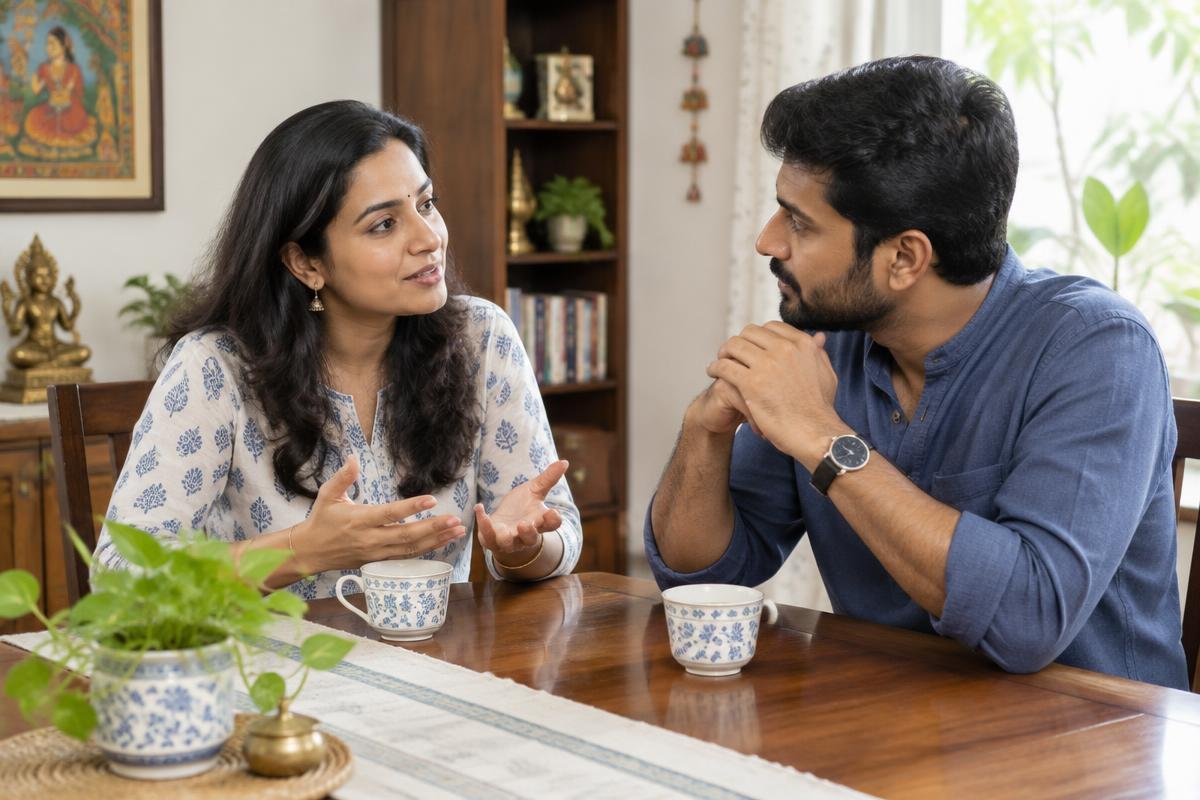
You’ve had this argument before. You know exactly how it starts, what they’ll say, what you’ll say back, and how it ends: with both of you hurt, and nothing solved.
Maybe it’s about money. Maybe it’s about their phone, their mother, the dishes, or the fact that you can’t remember the last time you felt wanted. The topic changes. The feeling doesn’t. You’re tired of fighting, and you’re even more tired of the silence that comes after.
Here’s what 25 years of working with couples across the USA has taught us: most relationship problems aren’t caused by the topic you’re fighting about. They’re caused by the pattern you fight in. That’s why advice like “communicate more” or “just let it go” rarely works. A real relationship problem solution has to change the pattern underneath.
This page walks you through the most common problems couples face, what’s really driving each one, and what actually helps. If you need more than tips, we’re here for that too.
Real problems among couples
You’ve probably already tried the usual fixes. Date nights. “I” statements. Promising not to bring it up again. They help for a week, and then the same fight returns.
That happens because advice treats the symptom, while the problem lives in the cycle:
the more one pushes to talk, the more the other shuts down, and each person’s reaction triggers the other’s fear.
in heated moments, your nervous system goes into fight-or-flight. Your heart races, your thinking narrows, and empathy shuts off. That’s called emotional flooding, and no communication technique works while you’re in it.
relationship researcher Dr. John Gottman found that about 69% of relationship conflicts are perpetual. They come from lasting differences in personality and needs. Happy couples don’t eliminate these differences. They learn to talk about them without hurting each other.
The tips above help many couples. But if you’ve tried them and you’re still stuck, that doesn’t mean your relationship is hopeless. It means the pattern is too strong to break from inside it.
Consider getting professional help if:
Dr. Gottman’s research found that couples wait an average of six years of being unhappy before getting help. Every one of those years repairs harder. The earlier you reach out, the more options you have.
Steps we follow
Understand common relationship problems and discover practical ways to rebuild trust, improve communication, and strengthen your bond.
What it looks like: Conversations turn into arguments, interruptions, or silence. You feel unheard, and your partner becomes defensive.
What's really happening: When people feel unheard, they listen to defend themselves rather than understand each other.
The solution:
Start gently. Dr. Gottman’s research highlights the importance of how conflicts begin. Say, “I feel… about… and I need…” instead of “You always…”
Reflect before responding: “So you felt alone when I worked late?”
Take a 20-minute break when emotions run high, and agree when to resume.
What it looks like: Checking phones, questioning whereabouts, or feeling anxious when your partner talks to someone else.
What's really happening: Jealousy often stems from fear, past betrayal, or anxious attachment.

The solution:
Separate facts from fears. Ask, “What do I know, and what am I imagining?”
Build trust through voluntary transparency, not forced surveillance.
After infidelity, focus on accountability, understanding, and gradually rebuilding closeness. Marriage counseling can help.
What it looks like: Dishes, late replies, or small misunderstandings trigger major arguments
What's really happening: Small disagreements often hide deeper needs, such as respect, appreciation, or shared responsibility.
The solution:
Ask, “What is this fight really about?”
Use repair attempts like humor or saying, “Can we start over?”
Notice recurring arguments. Repeated fights often indicate an unresolved pattern.
What it looks like: You manage daily responsibilities together, but emotional closeness and romance have faded.
What's really happening: Stress, phones, and unanswered attempts to connect can gradually create distance.

The solution:
Put down your phone and pay attention when your partner speaks.
Spend 15 minutes daily discussing life without criticism or problem-solving.
Rebuild curiosity by asking meaningful questions.
What it looks like: Mismatched desire, feelings of rejection, or intimacy gradually disappearing.
What's really happening: Emotional distance, stress, differing needs, or physical factors can affect intimacy.
The solution:
Discuss intimacy outside the bedroom, without pressure.
Rebuild non-sexual affection through hugs, hand-holding, and closeness.
Consult a doctor if medical or hormonal factors may be involved.
What it looks like: Arguments about spending, debt, savings, or differences in income.
What's really happening: Money disagreements often reflect deeper concerns about security, freedom, fairness, or control.

The solution:
Discuss what money meant in your childhood.
Schedule a calm monthly financial discussion.
Set shared goals and create a budget that allows personal spending freedom.
What it looks like: Family interference, holiday conflicts, or feeling that your partner doesn't support you.
What's really happening: Unclear boundaries can leave one partner torn between family loyalty and the relationship.
The solution:
Agree on boundaries before discussing them with family.
Let each partner handle their own family’s concerns.
Present a united front publicly and resolve disagreements privately.
What it looks like: A new baby, job loss, relocation, or health crisis changes your relationship.
What's really happening: Major life changes affect roles and expectations. Without adapting together, couples can gradually drift apart.

The solution:
Discuss how the change affects each of you.
Revisit your shared goals and plans for the next five years.
Seek support early, before stress develops into resentment.
Steps to follow
For 25 years, we’ve helped couples across the USA turn painful cycles into healthy partnerships. Our relationship problem solution approach is practical, personal and focused on the root cause
Tell us briefly what’s going on. There’s no pressure and no commitment
We listen to both partners and identify the pattern driving your problems, not just the latest argument.
You get clear goals and practical tools tailored to your relationship, not a one-size-fits-all script.
We help you practice new ways of talking, listening and repairing in real time, with support when emotions run high.
We track progress and adjust the plan until you feel like a team again.
—Marriage and Relationship Counseling. For couples who feel stuck, distant or unsure where things went wrong
— Couple Counseling. For partners caught in recurring conflict who want to become a team again
— Marriage Counseling for Infidelity. A structured path through betrayal, toward rebuilding trust or parting with clarity
— Relationship Problem Solution sessions. Personalized help for specific challenges such as trust, money, intimacy, family or life transitions
Support at your comfort
Every relationship problem solution should fit the problem. That’s why we offer four focused services.
All services are available in person or through secure online sessions, and you’re welcome to start on your own if your partner isn’t ready to join.
Impact and Results
| Before | After |
|---|---|
| The same fight every week | Disagreements you can talk through calmly |
| Checking their phone, lying awake | Trust rebuilt step by step |
| Feeling like roommates | Feeling like partners again |
| Avoiding money, sex and family topics | Talking openly about what matters |
| "Should we break up?" | A clear, confident decision |
Support for Every Stage
We also offer marriage and relationship counseling, couple counseling and relationship problem solutions for couples facing other challenges.

helping couples through every kind of relationship challenge

we solve the pattern, not just the latest argument

every session gives you something you can use the same day

we’re here for the relationship

your privacy is protected

In-person or online, as a couple or individually
Answers, without pressure
It’s normal to have questions before you begin. Here are a few common ones.
There’s no single fix that works for everyone. The most effective relationship problem solution identifies the pattern behind your conflicts, such as pursue-withdraw cycles, emotional flooding or unmet needs, and then gives both partners practical tools to change it.
Sometimes. Many couples improve by changing how they start difficult conversations, taking breaks when flooded, and making time for connection. If the same problems keep returning, professional support helps break the cycle.
You can start on your own. When one partner changes how they respond, the relationship often begins to shift, and many reluctant partners join later.
It depends on the problem and how long it has been building. Many couples notice better communication within a few sessions. Deeper issues like infidelity usually take longer.
Yes. Secure video sessions are available for individuals and couples, which makes it easier to fit support around work, kids and distance.
It’s rarely too late if both people are willing to try. Even when one partner is unsure, counseling can bring clarity about whether to rebuild or move on.
Your safety comes first. If you’re experiencing abuse, threats or control, couples counseling isn’t the right first step. Contact the National Domestic Violence Hotline at 1-800-799-7233 for confidential support.
Take the first step together
You don’t have to keep having the same fight. You don’t have to keep wondering whether this is as good as it gets. With the right relationship problem solution, couples who felt hopeless learn to listen, trust and enjoy each other again.
Take the first step today.
Real help. Real change. 25 years of helping couples find their way back to each other.
Developed By The Red Eyes